Wisconsin

The voice of my home state beckons and I hear her call.  In a few days, I’ll board a small plane and fly west toward Wisconsin. wisconsin violetMy siblings and their families all live there and there my mother rests eternally on a hillside overlooking the town. I’ll visit her, of course, to whisper a prayer, and to place blue flowers on her grave.   More than anything, to remember.

On the weekend, our family will gather to celebrate our time together.  The long-range forecast calls for 75° with sunny skies.  Blissful.  Over picnic lunches followed up with wickedly delicious sweets and Norwegian strong coffee, we’ll nibble and sip, sharing pictures, reliving childhood stories and those of our lives today.  I’ll reacquaint myself with my nieces, nephews, and grandnieces – all growing up too fast.  My siblings and I will get by on too little sleep and grow hoarse with our late night talks.

Late in the week, after our last driveway hugs, I’ll drive north in my rental car to Green Bay to attend the WisRWA Write Touch Conference.

Five or six years ago, I joined WisRWA as a distance member.  I’ve come to cherish friendsWisRWA made there, and on the Yahoo! loops.  At the annual conference, we listen to speakers, and pitch our books to agents and editors.  And, as with family, we grow hoarse with late night talks about our writing, our stories, our lives.
My visits to Wisconsin refresh my soul.  To hear the sounds of my youth, to be wrapped in the arms of shared memories and values, is a gift I give myself.  I’ve been away too long. 

Happy Mother’s Day

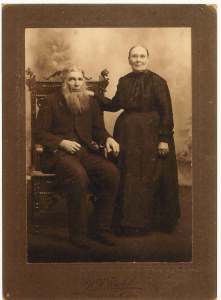
Her name was Sophie. I’ve learned what I know of her through the generosity of distant cousins.  Ed & Sophie This picture is a precious gift from one of them.  She is the mother of my father’s father’s father – my great-great grandmother.
A French Canadian, Sophie was born in Quebec in 1835.  She died in northern Minnesota in 1914.   Her children were all born in Quebec, in the same town and province where she and her husband were born, christened, and married.  Where their parents and grand-parents had lived before them, all the way back to the early 1600’s when a few adventurous souls crossed the ocean from France.

In those years before automatic washing machines, microwave ovens, or supermarkets, Sophie bore and raised eleven children – five sons, six daughters.  Imagine! 😯  My three sons kept me busy.  I know little of her social status, save what I can discern from the photo, and from what I know of our overall family.  Regardless, her life was far different than ours is today.

Sophie moved to Minnesota when she and Edouard were older, most likely because their oldest son, my great-grandfather, moved there.   Families stay together, when they can.   She survived her husband by four years, dying in 1914 at the age of 79.  She would not see her oldest son, my great-grandfather, die in an automobile accident in 1917, nor her grandsons travel to France to fight with the Expeditionary Forces in the first World War.

She lived a good life, I think.  It shows in her sweet face, and in the way she gently rests her hand on her husband’s shoulder.  Her DNA runs through my veins, intermingled with the DNA of so many other mothers.  Though I never knew her, we share a bond – both of blood, and in our love of family.

I wish we could have sat together at her kitchen table, just once, to chat over a cup of coffee.  I would like to have met this French speaking g-g-grandmother of mine, to have known her and about her life.  Somehow, I think she might laugh at that.  Maybe that’s why I write history….to understand the life Sophie and my other ancestors led.

To you, and to all mothers both here and now departed,  Happy Mother’s Day!

A Garden’s Lessons

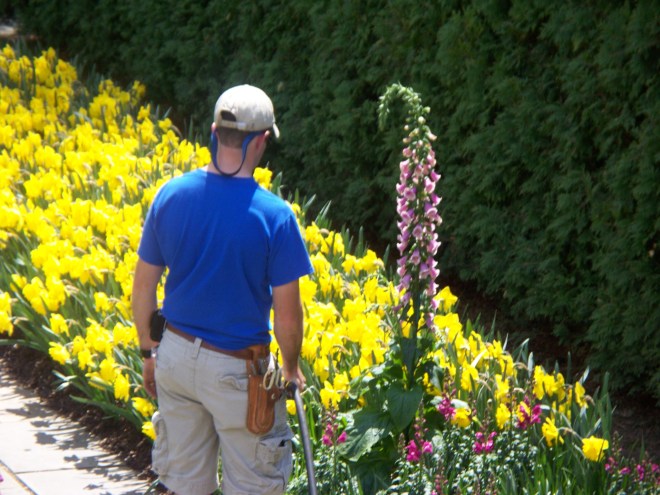
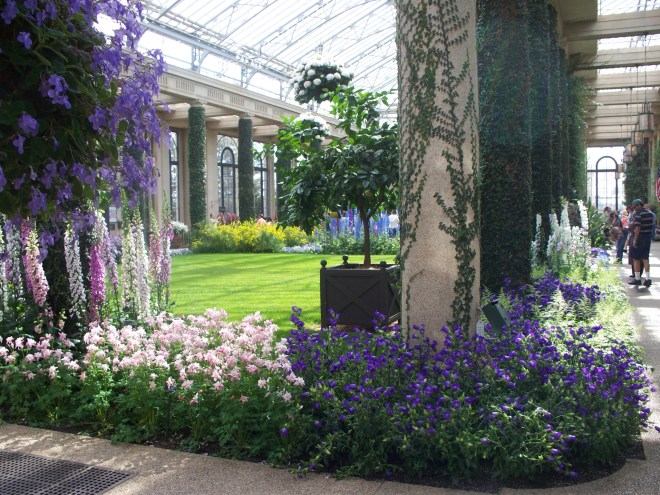
This past weekend, my husband and I visited Longwood Gardens in Kennett Square, PA.  In no particular order, here are some pictures I took, and some thoughts I brought home.

copy-of-longwood-april-2009-105

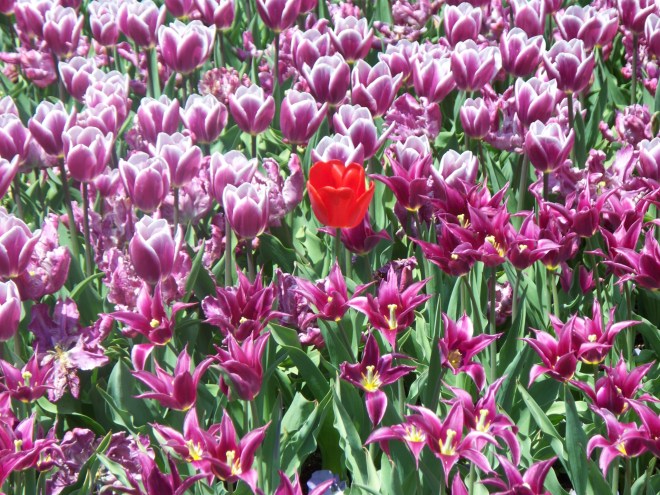
In writing, as in life, use your senses to the max.

~

longwood-april-2009-097

He loves me…he loves me not…ah, he loves me…

~

longwood-april-2009-032

This is the crown of the last American Elm in Longwood Gardens.   Always remember the beauty and glory of a life well-lived.

~

longwood-april-2009-061

A garden, like writing, takes constant attention…

~

longwood-april-2009-085

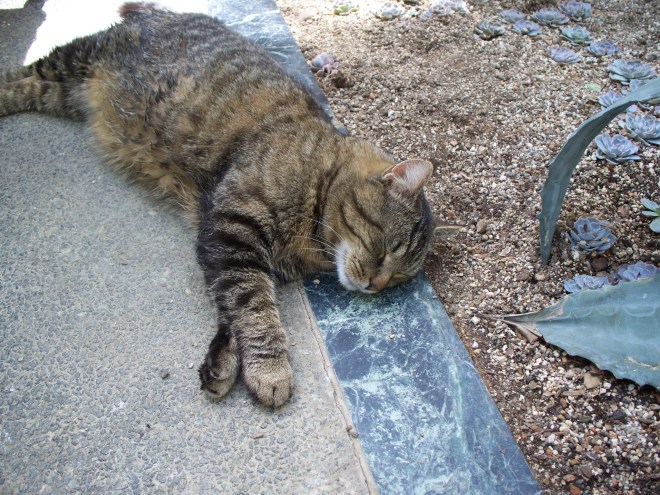
…but an occasional afternoon nap is good for the creative soul.

~

longwood-april-2009-013

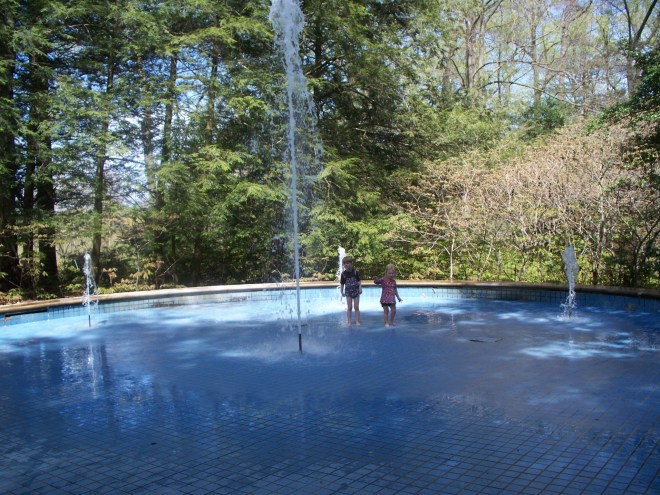
Listen to the child within.

~

longwood-april-2009-050

Take pride in your own unique voice.

~

longwood-april-2009-011

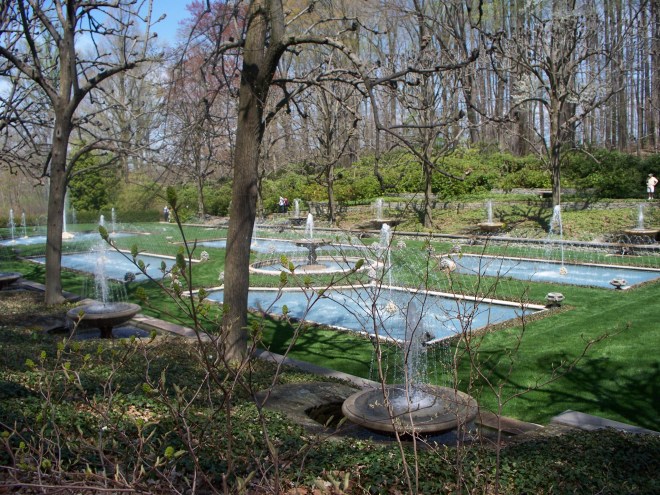
Don’t tell your readers about a fountain in spring.  Let them feel the wayward sprays of water, and smell the subtle scents on the breeze.

~

copy-of-longwood-april-2009-115

Flowers blossom because that’s who they are.   That’s also why writers write.

~

longwood-april-2009-065

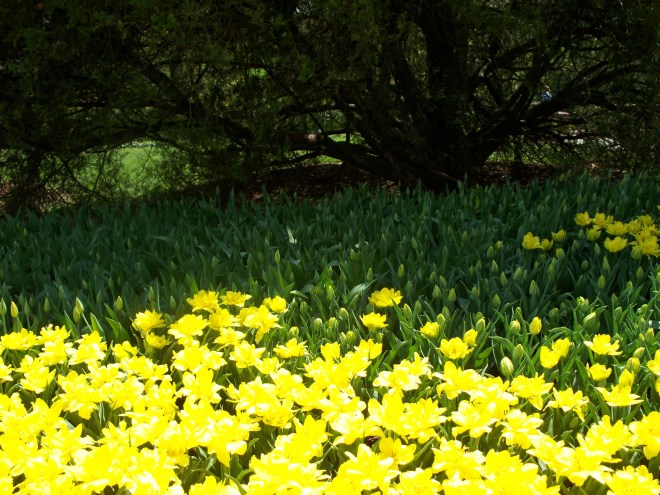
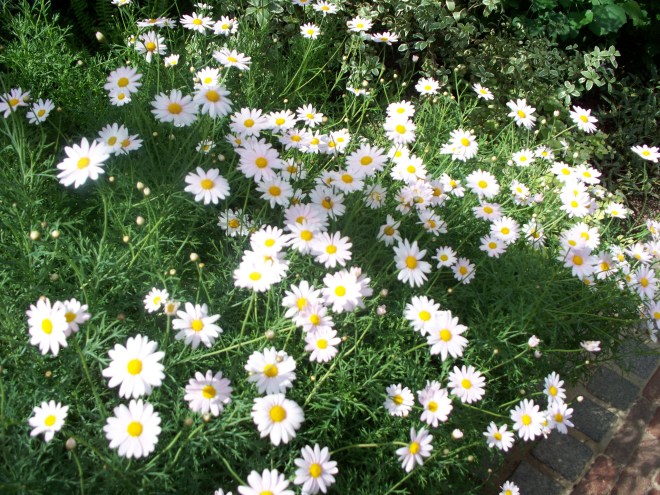
It may take a while but with persistence, and a little sun, eventually you will bloom.

~

Have you strolled through a garden or worked in one recently?  What thoughts did you bring home?

Generations

At a recent work-related conference, leonaI attended a fascinating workshop given by Dr. Wendi Lee Foltz.  Titled Generations at Work, the goals were to help understand the generations and learn how to work together more effectively.  We discussed the four generations in today’s workplace, and brainstormed about events that shaped their lives, molding them into who they are.
The WWII Generation, born before 1940, endured the Depression and World War II.  They are the value keepers, the traditionalists.

The Baby Boomers are post-WWII children who came of age during the VietNam War.  Rebellious in their youth, they went on to recreate the 60-hour work week.  College education for women started to become the accepted norm.

Generation X, children of the Baby Boomers, work to live.  They are unimpressed, want a fun environment, and value praise.

The Millenials, aka Gen Y, born after 1980, are entering the workplace, and only now are being defined.   They’ve grown up with computers in hand, and are achievement-oriented techies.

As a writer, I later wondered how these values influence what we read.  How do they determine what is popular in the marketplace, especially within the realm of romance novels?

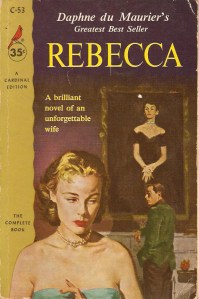
In the last 100 years, rebecca-7894061we’ve gone from the early 20th century inspirational writings of Grace Livingston Hill, to Georgette Heyer who created the well-researched modern Regency, to Daphne DuMaurier and her stories of haunting romantic suspense.   DuMaurier led us into the realm of the historical and gothic romance – Victoria Holt and Phyllis Whitney.  Then came Kathleen Woodiwiss in the early 1970’s with a new type of historical romance, and the world of romance exploded into multiple sub-genres, each written to meet the needs of the generations.

This glimpse at various generations helped me beth-ciottaunderstand the WWII Generation’s love of Holt & Whitney’s modern gothic novel with their helpless appearing heroines and strong, brooding heroes.  It helped me, too, understand the emergence of Chick Lit – a sub-genre created by and for the fun-loving, intelligent Generation X’ers.  Loosening sexual standards has brought an increase in Erotica and, counter-acting that, more popularity for Inspirational reading.   Our to-be-read piles now hold everything from Scottish Highland historicals to witty Romantic Comedies.

What will be next?

→ Is your writing, or what you read, influenced by generational values?  Do you find yourself writing to what is popular, or what is true to you?

Business Cards

Early in my writing life, when I first joined NJRW, a writer spoke on the business part of writing.  You’ll need business cards, she said.  Keep them simple.  Show only essential information – name and contact details.  With a card you can begin networking.  You can keep in touch with other writers you meet at a conference.  You can enclose it in a thank-you note to a contest judge.  And, while an editor you meet may not ask for your card, you’re ready in case she does.

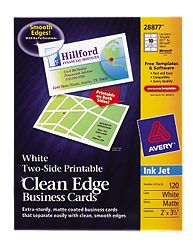
Despite early advice about keeping the cost down, I had my first card printed on high quality linen stock.  avery-business-cards1It was clean, classy, and included my personal home address – a no-no, I soon learned.  My email address was outdated a year so later when we changed internet providers.  Yeah, what was I thinking?  I ordered 500.   There are still about 459 aging nicely in my desk drawer.
I learned that it’s cheaper to buy paper and print the cards myself.  Avery has clean-edge business cards available online, or in office supply stores.   Using a template you can print your own card then break them up, 10 per sheet.  The clean edge looks much better than the mini-perforated edge cards, also available.  By printing your own cards before a conference, you can print only as many as you think you’ll hand out.  You can also personalize them for each use.

Keep in mind that your name is your brand.   That is what you want to be prominent on your card, whether you pay to have it printed or if you print it yourself.  Make sure the font is readable, and the card is not crowded.  Keep it orderly, professional.

I am still aspiring but I’ve written enough debs-card1novels to know the direction I’m taking.  A bit over a year ago, I contracted for a website design.  The design, by Stonecreek Media, Inc., captured my writing voice.  When I started Stringing Beads last June, I wanted to bring my website into it.   I customized this WordPress blog template with my copyrighted image from the top of my website.

A few months ago, I began thinking about upcoming conferences, especially WisRWA’s Write Touch (featuring Sherrilyn Kenyon) in June and RWA National in Washington, DC in July.  I wanted to bring my site image onto my business card as well.  Enter VistaPrint.  Going online, I designed a card using the image header Stonecreek had designed for me.  It didn’t take long, and the cost was low.  There are thousands of pre-designed template images also available.  This method worked for me.

If you are attending a conference or workshop this year, remember to make up some business cards to tuck in your bag.   Whether you use VistaPrint, PsPrint, NextDayFlyers.com, your local printer, or if you do it yourself on an Avery template, you’ll be glad you did.

→ As a fiction writer, do you have a business card?  What information do you put on the front?   Do you give out many cards when you go to conferences or workshops?   Has there ever been an occasion when you wished you had a card?  Please comment.

Tech Trek

When I was in high school,type-writer-girl-rv not quite so far back as when this photo was taken, I signed up for a typing course.  Not because I wanted to go into business but because, even then, I aspired to become a writer.  Naive though I was, I knew writers had progressed beyond the quills of Jane Austen’s time.  If I wanted to write, I knew I must learn to type.  My typing teacher, Mr. P., taught me the needed skills to produce neat term papers, skills that would later help pay my bills.

In my first office job, we typed on IBM Selectrics, a typewriter with correctable film ribbons, and ball elements for changeable fonts.

When our first son was born, ibm_selectric_ii_correcting_tape4I quit work to become a stay-at-home mom.  Over time, I typed family letters, essays, op-eds, and cookbooks at one end of our dining table on an IBM Wheelwriter.  Meanwhile, in the den, our growing sons played games on their Commodore 64, a cherished Christmas gift from Grandpa.

A few years later, we bought a CompuAdd 386.   With college tuition on the horizon, I soon returned to office work.  By then, I’d studied and was proficient in WordPerfect.   It was the last decade of the 20th century.  We were ready for a fast technological ride from mechanical hardware to mind boggling software.

Do you recall when you first heard the word Internet?   In scarcely an eye’s blink, this invisible web expanded hp-laptop2well beyond a science-fiction writer’s imaginings.   In less than a generation, we traveled from dial-up modems to WiFi.  Now, in seconds, we fling our thoughts around the world.

When I ponder how the Internet has influenced my writing life, I’m awed.   I email peers in Hawaii, Wisconsin, and New Jersey.  With a few clicks, we meet, critique, and hold online workshops.  We make travel arrangements then follow friends’ flights on flight tracking sites.   We email warm cyber hugs for a rejection, and cyber bubbly to celebrate a first sale.  On Yahoo Groups, we reach out for help to find the perfect word, to find a reputable book mark printer, or for the best way to kill off the bad guy.  And they answer!  Always, day or night, someone is there.

I am not a techie.  twitterEnglish and history were always my passion.   In Algebra, I wrote pages of poetry (still amazed I passed).  Yet, somehow, I’ve set up and maintain three blogs.  I buy and sell on e-Bay, am Linked-In, and visit YouTube.  I have friends who use FaceBook and MySpace, and others who Twitter (though not me…not yet…tweet).
Are we better writers than before this techno madness?  Who knows?  Future generations will decide the quality of our writing.  They will choose which books will endure.  I do believe that we are better connected than ever.  If that helps some struggling romance writer alone in Montana’s mountains to achieve more than she would have before the Internet, isn’t that a good thing?

→ How has technology and the Internet influenced your writing?  What do you most enjoy?  What do you find most frustrating?

Weddings & Funerals

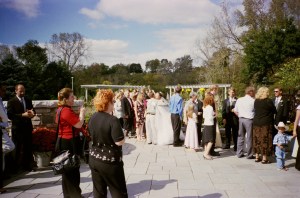
Soon after Mom moved into the nursing home, we began to break up her household.  One gray morning, I came across her cameras tucked away in a cabinet.  She’d owned several in her lifetime.  I believe she had kept them all.  In one camera, that cold March morn, I found a treasure – an undeveloped roll of film. moms-film-0213 She had shot it a year or so earlier, most at a grandson’s birthday party.  The last frames were from her granddaughter’s wedding.  They were all priceless Kodak© moments, made doubly so by the circumstances of their discovery.
Mom captured our images on film when we were infants, as we grew, as we dated and were married, then had children of our own.  But as she grew older, it seemed that family gatherings had the most meaning for her.  It is evident in her collection of pictures.

As families age, the cousins we played with in childhood often move away.  Our siblings become engrossed in their own children and grandchildren.  When the last bond that brings a family together passes on, a grandparent or great-grandparent, I believe that something in that family passes as well.

The time comes when we begin to see family members only at weddings, and at funerals.  While there, we take scores of group photos because we know it may be years before we see each other again.  We sit down to talk.  At first, we catch up on our lives – school, work, hobbies, travel.  Then, so soon, the talk reverts to childhood.  Do you remember when…?  What about that time when…? We talk and laugh until our throats are sore and our voices are hoarse.  The next morning we gather for breakfast and talk some more, until that last hug in in the driveway amid promises to keep in touch.

Weddings and funerals are glorious events.  They are a celebration of life, and of family.  I believe Mom knew that.

→ As a writer, romance or otherwise, do you ever include a wedding or funeral in your stories?


Rebirth

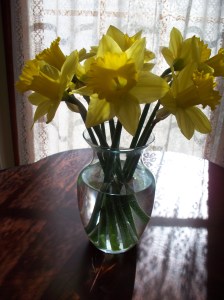
Spring is here. Last week I saw my first robins.  On Wednesday,yellow-flowers-0042 a volunteer from the American Cancer Society delivered bunches of daffodils for their annual fundraiser – Daffodil Days.  On Friday, the letters in the google header were shaped like pieces of fruit with a hungry caterpillar eating his way through.  This morning, as I walked through our yard, I saw that the forsythia and weigela now bear tiny buds.   The air has a new smell today, a fragrant fresh scent enjoyed but once a year.  All sure signs that spring is here.

It is fitting that our youngest son chose March 21st for his westward move.  A time of change, of rebirth.  Late this afternoon he leaves for California, flying 2,849 miles across the country to seek his fortune in his chosen field.  Our oldest son and his spouse live there, loved ones to welcome and watch over him for a spell, to acclimate him to his new city.  To provide a roof and bed until he finds his own place.  I’m glad they’ll be together.

We give them roots to grow, and wings to fly.   But it is still a bittersweet time for us.  He’s so happy about the move.  It’s what he wants, what he needs.  But must the country be so very wide?

yellow-flowers-012His move has spurred a wave of spring de-cluttering in our house.  He’s lived away since college but, like many, left rooms filled with remnants of his youth.  We’ve been cleaning, sorting, making way for other remnants he’s accumulated and has now hauled home from his nearby apartment.  Things he wants shipped once he’s established, or stored until…whenever.  Surprisingly, it’s all given me a new energy.  Energy to clean.

Energy to write.  I find myself once more waking in the middle of the night with thoughts of manuscripts yet unfinished, of characters who cry out to be heard.  I stumble to my computer and my fingers fly.   Over the winter, writing has been a struggle.   Manuscripts suffered.  But strangely enough, with our son’s imminent move in this brilliant budding spring, I feel alive.  Reborn.  Maybe his driving ambition has spilled over to his mother.  One can only hope.

Godspeed, my dear son.

2009 RWA National Updates

Studio 16 is again bringing their magic mobile photography studio to RWA National.  From Dallas to Chicago, Denver, and Atlanta,  Studio 16 has helped writers attending RWA Conferences achieve their best look. This year, Studio 16 will be in Washington, D.C.  So…

  1. Do you need a new headshot for promotion?
  2. Do you hate having your picture taken?
  3. Are you going to RWA National in D.C.?

If you’ve answered “YES!”  then you’re in luck.

STUDIO 16 wants you to look your best.  Touch-ups aren’t designed to make you look like someone else,  just soften what is often revealed by bright studio lights –  flyaway hair, wrinkles and blemishes. And, if you want, they can even take off 10 pounds!  (Or at least make it look like you have.)

To pre-book an appointment, and receive 20% off your entire photo package, email Studio XVI@aol.com before July 12th.  They’ll be happy to answer any questions you might have about the process.

kodIn other Conference news, the Mystery and Suspense chapter of RWA, aka/Kiss of Death, opened member registration for the pre-conference tours and the Death by Chocolate party.   The main tour will be held on Tuesday, July 14.  If you are a KOD member who will be in D.C. this July, be sure to go on the members only section of Kiss of Death to register.  Registrations for the pre-conference tours, and the Death by Chocolate Party, should be sent in – now.  In my experience, both sell out early.

For more information on this year’s RWA National Conference, click to go to RWA National.org.

→Are you speaking at RWA National?  Is your chapter hosting a member get-together there?  Maybe you can’t attend but are holding an online or an at-home chapter event for yourself and others not attending.  If so, please contact me so I can include it in next month’s update.  Thanks!

Writing Tight

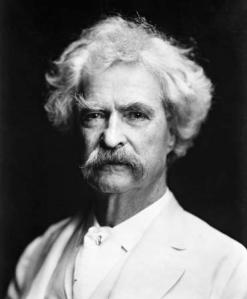
“Substitute ‘damn’ everytime you’re inclined to write ‘very.’  Your editor will delete it and the writing will be just as it should be.” ~ Mark Twainmark-twain1

I love Mark Twain’s wisdom, and his wit.  With the narrowed eyes and steady arm of a master archer, his advice still strikes like arrows at the heart of writing craft.  Twain understood the inherent energy that results in choosing the right word for the task.  Of writing tight.

“The difference between the almost right word and the right word is really a large matter,” Twain wrote in a letter in 1888. “It’s the difference between the lightning bug and the lightning.”

Think about it…the difference between the lightening bug and the lightening.  The first time I heard those words I was blown away with their depth.   How often in my writing do I use a bland, generic word when the story needs a specific noun, or an active verb?

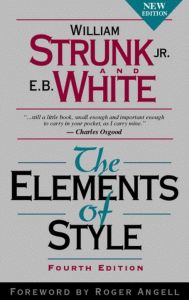
strunk-and-whiteOne of my favorite writing references is, quite literally, a little book – Strunk and White’s THE ELEMENTS OF STYLE.   Aside from understandable advice about grammar and punctuation, the book discusses the simple essense of good writing.  Use active voice.  Omit needless words.  Keep related words together. There are chapters on often misused words, and on words commonly misspelled.
THE ELEMENTS OF STYLE is a fun volume to keep on your desk, or bedside table.  To pick up and peruse at odd moments.  It is clear and concise.  I’ve no doubt Mark Twain would have appreciated its simplicity.

→ Who do you look to for sage advice on the craft of writing?  Do you have a favorite quote, author, or reference book?  Please share.

Food History

Sometimes a reference source comes along that is just so helpful you want to shout about it to the world.  Yesterday that happened to me.

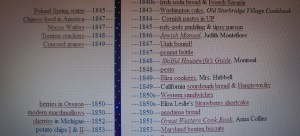
As a writer of historical fiction, discovering The Food Timelinefood-timeline1 was a godsend.  Incredibly organized, using a simple timeline with links to a huge collection of other websites, it presents food’s history.  It includes recipes, literary quotes, and lists of resources.  You can learn when popcorn first came on the scene, a recipe for haggis, and tips on how to find an old family recipe.

Of course, the website just had to be designed by a librarian.  Lynne Olver, the site’s creator, is a New Jersey reference librarian with a passion for food history.   Ms. Olver and The Food Timeline have received multiple honors and awards.

Keep in mind — the site is copyrighted.  There’s a paragraph on citations here.

The Food Timeline is free with no subscription, no ads.  Why?  It was conceived and created by a public librarian, a profession that is “devoted to providing fair and equitable access to information regardless of ability to pay.”  What a wonderful statement.  Thanks to Lynne Olver, and all who contributed.

And, in case you haven’t already thought of it, you’ll want to bookmark this one!

→ Have you ever found a site or other reference source so useful that you wanted to shout about it?  Please share!

Nannies, Servants & Such

Recently, through the wonder of Netflix, we discovered a captivating program that first aired on BBC in 1998. berkeley-square Set during the time of King Edward VII’s coronation, London 1902, Berkeley Square tells of three nannies and the wealthy families they served.  As we watched the first few episodes, we were reminded of the Masterpiece Theater classic Upstairs, Downstairs and its revelations of the British upper class and their servants’ lifestyles.

Although nannies were among the more privileged of servants, their lives were wholly dependent on their employers. Berkeley Square touches on some social issues not often seen in popular film – child neglect, the use of laudanum and baby-farming.  The depiction of children and their caretakers was both thought-provoking and sad.  The movie shows strong visual images in the costumes and settings.

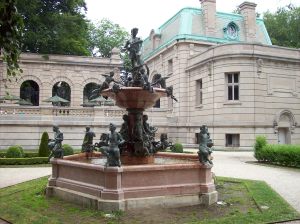
As a writer of historical romance, I’ve long been fascinated with newport-ri-0171servants during the 19th and early 20th centuries.  Two years ago, my husband and I toured a few of the summer mansions in Newport, Rhode Island.  We especially enjoyed seeing The ElmsThe tours – both of the main house and the special behind-the-scenes servants tour – revealed two different worlds.  The contrasting tours were like entering the kitchen of an exclusive restaurant; we saw both the glamorous facade and where the potatoes were peeled.
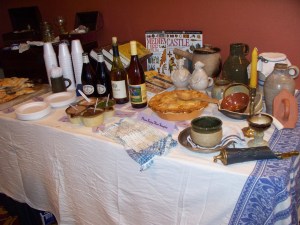
Studying how people lived – cultural history – helps to better rwa-national-2008-sf-0114 create and shape our characters.   That’s what I find most valuable in my writing research, discovering what folks wore (both day and night), what they ate, how they dressed, and what they valued.  Last year’s History Conference at RWA National included workshops on dressing our characters, a Regency period Soiree, and samplings of foods from different time periods.

Movies.  Books.  Websites. Conferences.  Old house tours.  Civil War re-enactments.  They all reveal needed details that breathe life into our characters.

→ Have you seen Berkeley Square?   What movies, books, or other events have helped you to enrich your knowledge of cultural history?

Valentine’s Day

How do you celebrate Valentine’s Day? To me, the most special gift ever is giving one another time…together.

valentine-heartsOne perfect start to the day would be making him breakfast in bed.  Or maybe going out for some waffles and steak and eggs at a down-home diner. Weather willing, how about a leisurely walk, hand-in-hand?   In the evening, turn off the TV, put on some music and just cuddle.  Or talk…and listen. Good ol’ back rubs are always nice.  Maybe bake some cookies together, or mix up a from scratch cake.
Here’s a recipe from my childhood, one of my husband’s all-time favorites.  I bake it only once or twice a year.  This Saturday – Valentine’s Day – will be one of those days.

RED WALDORF CAKE

  • 1/2 cup shortening
  • 2 oz. red food coloring
  • 2 eggs
  • 1 cup buttermilk
  • 3/4 teaspoon salt
  • 1 teaspoon baking soda
  • 1-1/2 cups sugar
  • 3 tablespoons Hershey’s unsweentened cocoa
  • 2-1/4 cups flour
  • 1 teaspoon vinegar
  • 1 teaspoon vanilla

Make a paste of cocoa and food coloring.   Cream shortening and sugar.  Add eggs one at a time, beating after each.  Add red cocoa mixture and blend.  Combine sifted measured flour with salt.  Add vanilla to buttermilk.  Combine flour alternately with buttermilk to creamed mixture.  Fold in vinegar and baking soda.  Pour batter into 3 (8-inch) layer pans that are greased and lined with waxed paper.  Bake at 350º for 25 to 30 minutes.  Let cakes cool in pans for about 10 minutes before removing.  Frost with Seven Minute frosting.

SEVEN MINUTE FROSTING

  • 2 egg whites
  • 1-1/2 cups sugar
  • 1/3 cup water
  • 1 teaspoon vanilla
  • 1/4 teaspoon cream of tartar

In top of a double boiler, combine egg whites, sugar, water, and cream of tartar.  Beat with electric mixer at high speed for 1 minute.  Place over simmering water, cook 7 minutes beating constantly with electric mixer at high speed until soft glossy peaks form.  Remove from hot water.  Stir in vanilla.  Makes 2 cups.

Wishing you a lovely VALENTINE’S DAY!


RWA National 2009 – DC

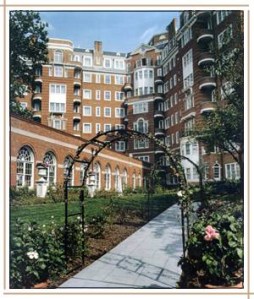
It’s early February but July seems just around the corner. Despite the economic downturn, I hear excited buzzing from fellow writers.  marriott-wardman-park Maybe it’s because we’re sick of winter cold and ache for summer heat.  Or it could be because this year RWA gathers in Washington, DC.  I live on the East Coast and, I’m going. 😀 During my lunchtime internet browsing, I find myself pouncing on every scrap of info I find.
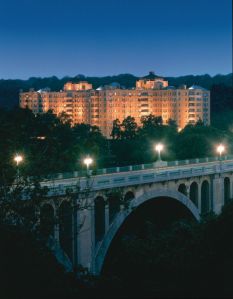
Registration for the RWA National Conference opened January 20th. To reserve a room at the Marriott Wardman Park Hotel, where all events occur, members must first register for the conference. After that, members arrange for a room through RWA National. Planned roommates must register within 30 days. omni-shoreham-dc1Concierge level rooms sold out early prompting rumors of an overall hotel sell-out. I don’t think that’s true–yet.  But they say those coming into DC before the conference may have trouble getting a Marriott room.  Note–there’s a lovely overflow hotel, the Omni Shoreham,  just a block away.   I believe the same rules apply for registering.
Mystery/Suspense (Kiss of Death) Chapter members are looking forward to the annual members’ tour on Tuesday, July 14. With the national capitol setting, this year’s tour should be intense. As in prior years, members need a current Passport to register for the tour.  Homeland Security requirements. All KOD events, including the tour and annual Death by Chocolate Party, will open for member registration in March.

rwa-national-2008-sf-032Other RWA Special Interest Chapters , including From the Heart Romance Writers, also use National to hold general meetings, parties, and get-togethers.  Lots of planning and arrangements!  Some chapters hold a conference within a conference.  Last year’s Historical Conference sponsored by the Beau Monde and the Hearts Through History Chapters ran all day Wednesday, culminating in a costumed evening soiree.   A highlight for all of us history lovers!

The 2009 Conference speakers have been announced – Linda Howard (Keynote), Eloisa James (Awards Luncheon), and Anne Stuart (RITA & GH Ceremony).  🙂  Sensational choices!   Workshops will soon be announced.   RWA Literacy Autographing, Moonlight Madness, Volunteering, Annual General Meeting (aka/AGM), Agent and Editor Appointments, the RITA and Golden Heart Awards Ceremony, networking….and so much more awaits July 15-18, 2009.

Want to go but just don’t have the money?  Valley Forge Romance Writers is sponsoring their 2nd Annual Writers’ RafflemaniaGo to RWA National for free! Or you can start saving for a future RWA National Conference (This link lists RWA conferences through 2016.)   The ladies of The Writing Playground offer a practical article titled Penny Pinching Your Way to RWA.

I’ll report updates as I learn of them,  now through July 18th.  I look forward to your comments and shared info.  For now, I need to get back to writing the book.  That’s what it’s really about.

Are you going to RWA National this year?  What other conferences or workshops do you plan to attend in the near future?  What do you appreciate most about conferences?

**P.S. I’ve added a section to my sidebar – to the right between “Blogroll” and “Essentials” – called “Blogs & Info About 2009 RWA National.”  It includes several links to other blogs on National, including a few workshop speakers.  If you are blogging on National, let me know so I can add your name to the list.

Good Movies

As a writer, I love a good movie. Appealing characters bounce from the screen.  Relationships develop and conflicts ensue.  Setting can become a character.  Music transports us through scenes.  Filming enchants while edits provides pacing.  Later I sometimes wonder, using only words how would I write those scenes or that character into a novel?

Since the holidays I’ve seen three movies at the theater.  All have sparked my thoughts into a bright blaze.

Gran Torino, directed by Clint Eastwood, screenplay by Nick Schenk and storygran_torino-poster2 by Dave Johannson, is about Walt Kowalski, a curmudgeony Korean War Veteran who can’t get along with his children, his grandchildren, or the Hmong immigrants who have taken over his middle class Michigan neighborhood.  Kowalski responds to the changes in an intriguing way, yet remains true to the man he is.  This strong story touches our beliefs, our brains, and our hearts.  Side note–while the ad poster is technically accurate, Gran Torino is not a shoot ’em up action flick.  I guess even Hollywood legends can get bad covers. 😉   The Rotten Tomatometer for Gran Torino reads 77%.  I’d rate it higher.

Frost/Nixon, directed by Ron Howard and written by Peter Morgan, tells of the frostnixon32511977 televised interviews between British talk show host David Frost, and former U.S. President Richard Nixon.  The beginning focuses on Frost, apparently in exile in Australia.  Watching Nixon’s resignation from the Presidency on TV, Frost becomes intrigued by the “numbers.”   So begins his three year quest to interview Nixon.   The movie is the story of two very different men, each wanting something from the interviews.  Only one can win.  It’s a classic plotline.  Watching it unfold on the screen is captivating.  The Rotten Tomatometer for Frost/Nixon reads 91%.  An appropriately high rating.

Milk, directed by Gus Van Sant and written by Dustin Lance Black, tells the story of Harvey Milk, the first openly gay elected official in California.  The film begins with Milk milk_movie_poster1recording a tape in his kitchen, “to be listened to in the event of my assassination.”  It is 1977 and he is 48.  In a brilliant blend of flashbacks and real news clips, we see Milk and his partner move from New York  to San Francisco where they open a camera shop in The Castro.  With persecution all around, Milk is pulled into politics and becomes a fiery voice for gay rights.  He forges alliances and urges gays and lesbians to come out to their families and friends so the straight community will see them as real and, as Roger Ebert writes, will “stop demonizing an abstract idea.”   On so many levels, Milk works.  It is warm and thought-provoking.  I left the theater with a sad smile.  And, as a writer, I wondered.  Using only words, how would I write such a remarkable man’s journey?   The Rotten Tomatometer for Milk reads 93%, calling it “Triumphant.”  I agree, and hope you see it.
→Have you seen any of the above movies, or any other really good movie recently?  Please share your experience and thoughts.

…In the Dead of Winter

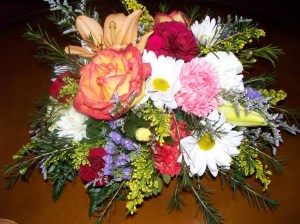
Two of my sons came home for a visit the weekend after my birthday. One carried a florist’s bouquet. As I pulled back the delicate tissue paper and lavender satin Flowersribbon, I seemed to hear Patricia Neal’s smoky voice. “Flowers,” she whispered. “In the dead of winter!”
Amid smiles, hugs, and centering the fragrant blooms on our coffee table, Neal’s words lingered in my thoughts.  The movie was The Homecoming: A Christmas Story, a pilot for the old television show, The Waltons.  You remember — the Great Depression, a large family.  John-Boy.  When Olivia Walton (Neal’s character) receives the flowers, her sense of awe is tangible.  “Flowers,” she says.  “In the dead of winter.”

With those few words we understand Olivia.  Her rural poverty.  Her warmth and love of beauty.  Her wonder at the miracle of flowers growing in winter.   The words anchor her in a different time and place, a time when folks couldn’t easily pick-up fresh floral bouquets year-round.

Other than a few blogs and articles, mostly I write historical fiction.   Reading it has taught me the need to ground my heroine in the time she lives.  I must make her era come alive through her thoughts, deeds, and dialogue.  What does she find wondrous?   What might she fear?   What does she believe?  How does all of that influence her words and actions?

It takes a light hand to do this.  No long rambling diatribes.  Just something simple.  Something like “Flowers. In the dead of winter.”

→If you write historical fiction, or any fiction set outside your own norm, what have you found helpful when creating your characters?  How do you sculpt them to make them appropriate for the time or place in which they live?

Glamour Girl

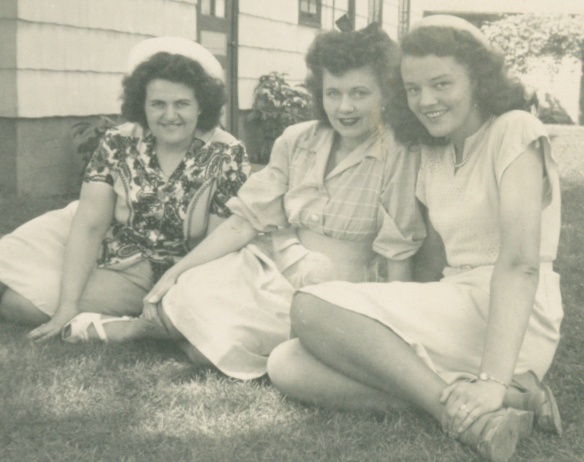
She was born in her grandmother’s cabin on the desolate plains of northern Minnesota.  Such a setting brought to her an intense longing for glamour and romance. She found it in novels, Hollywood movies, with friends and, for a time, in each of her marriages. mom-friends2

She lived in six states and visited many more. She traveled to Canada and to Germany, savoring the wonder of new sights, new places. There was always something beautiful to discover.

But she was also a mother.  Along the way, she gave birth to seven children. Her third child was a blue-eyed whirlwind described by many as all boy. When she was 32 (how young that seems now), a car accident took her son’s life. I doubt any mother ever recovers from a child’s death.  She didn’t.  Not totally.

Despite her loss she journeyed on, though perhaps with less spirit.  She found stability in raising her children, in keeping house, baking breads and pastries, reading. In selling Avon. How appropriate for her to turn to selling cosmetics and perfumes. She did well with it, earning honors and awards.  For nearly four decades, Avon helped her find the glamour and recognition she craved.

At some point I came to see that she never seemed to plan.  Although she worked hard, for her life simply happened.  The realization disturbed me.  It wasn’t my way.  But somehow things seemed to work out for her.

I spoke at her funeral.  It was only as I wrote out my words that I put shape to the thought that she had been the ultimate pantser.  She had lived her life by the seat of her pants, seemingly sliding from one event to the next. Making it up as she went.  Of course we writers know there’s something to be said for pantsers.

It’s been 18 months since she left us.  Today would have been her 81st birthday.

Happy birthday, Mom.  I love you.

Writing Contests

I learned about writing contests through Romance Writers of America (RWA).  For those not familiar with them, RWA Chapter contests serve several purposes.

  • Contests serve as a Chapter fundraiser.
  • Qualified judges give feedback on a part of an aspiring author’s work.
  • Chapter members and others who “final” have a chance to get their work in front of an editor or agent.

I’ve entered many contests over the years and have done moderately well.   I’ve received some great feedback, and some okay.   For me, I believe the money spent on entry fees was well-spent.  It’s helped my work get noticed.

There are many RWA chapter level contests offered each year.  Some want one to three chapters and a synopsis.  Those are great if your work is “almost there.”  Others may only want a few pages to make sure your work starts on the right “hook.”  Wisconsin Romance Writers‘ Fabulous Five contest is one of these.

If you’re an aspiring romance author, think about RWA Chapter contests.  Start with WisRWA’s Fab Five (click for details).   The Fab Five asks for the first 10 pages or 2,300 words of your work.  In exchange for your entry fee your pages will be judged by three qualified judges.   The finalists – the top Fabulous Five in each category – will be ranked by agents and editors.  First place winners in each category receive the Silver Quill Award.  Other finalists receive certificates.  But most important, you’ll receive feedback.  And…if you final…you’ll be read by someone with influence.

→What’s your opinion about writing contests? Has a contest helped you become published?  Do you have a favorite RWA Chapter contest that you’ve entered?  (Please show link.)  Finally, if you haven’t entered one, what are you waiting for?

Changes

I love seasons. They bring a natural change and order to life. Spring blossoms into verdant summer. Autumn gold fades to brown then gray and winter white. As the snow melts, new life springs forth again and renews the cycle.

writing-blog-0051Changes are a part of life but how often we resist them only to find ourselves bogged down in the mire of monotony.  A prime spot is in our personal lives.  Recently, taking a lesson from nature, I made a few changes in my life.  Small ones but, in subtle ways, they’re making a big difference.
My first change was something I don’t often do.  With my husband’s help, I re-arranged some furniture – our television, a table and lamp, a few chairs.  What a result!  It opened up the room making it feel larger, allowing us to see the windows in the next room.  Now, there’s a homier feel when we sit there.  Who would have thought?

Early Saturday evening, we’ve started turning off the lamps and TV. We light writing-blog-0122some candles and, seated together in our rearranged family room, we listen to Garrison Keillor and guests on A Prairie Home Companion, an old time radio favorite. For a few hours we relax in a different time with the only commercials aired of the Powdermilk Biscuit variety.

I’ve made other changes, little ones.   I’m cutting back on coffee, and sampling varieties of tea instead.  Because of this, I’ve discovered the refreshing flavor of Bigelow’s Earl Gray.  I’m also trying various brands of chocolate.  Ghiardelli is now a favorite.   And finally, I’m dedicating one hour a week to creating a new character or a new story – something not part of my current wip.   This simple exercise helps stimulate the mind.

→What changes are you making in your life in this still fresh New Year?  What changes would you like to make?  Big or small, change can invigorate the soul.  Try it.

Edie Ramer

Today I’ve invited Edie Ramer to be my guest on Stringing Beads. edieEdie writes women’s fiction about quirky, strong minded people. This year, she’s a finalist in Romantic Times American Title V contest. I’ve enjoyed Edie’s creative style and unique voice since I first read her work a few years ago. I’m sure you will, too.

Thanks so much to Debra for having me as her guest! I love her Lagniappe, where she reveals that one of her passions is looking at houses. She says, “Sometimes while driving in a strange town, I gaze on homes we pass. Nearly always one house will reach out to me until I can almost see those who live inside, can nearly feel the emotions of their lives.”

I feel the same way! She mentions the Pabst Mansion in Milwaukee, and I’ve taken the tour three times. (See the picture.) But though I love looking at the rooms, my favorite part is hearing stories about the people who lived there.

I’ve toured other old homes, too, and I get a sense of ghosts and wisps of memories, just out of my reach. At night when I drive past homes with the shades open and the lights on, I stare, drinking it all in. I’m not looking for a glimpse of furniture. If that’s all it was, I’d go to a furniture store. No, I’m fascinated by the glimpse of lives of other people.

In DEAD PEOPLE, my American Title V book, the haunted house is a character with its two turrets and a secret room. It was part of the Underground Railroad, a history that affects the outcome of the story and was fascinating to research. And I had fun giving the house old ghosts and new inhabitants.

There are five rounds of the ATV contest. The first round was, appropriately, first lines. My hero is a songwriter, and every other chapter starts with one or more verses from his songs. But after the verse in the first chapter, I introduce the house as a character. So here’s the first paragraph that I didn’t use in the contest:

Cassie Taylor cruised down the snaking tree-lined driveway, her foot on the brake, as if her body knew something she didn’t. Ahead of her, a twilight shroud draped over the twin turrets of a pre-Victorian house. A greenish light shimmering in its tall windows reminded her of swamp gas, an effect she’d never seen before in central Wisconsin. Behind the house, the stagnant lake appeared murky, secrets hidden in its depths.

I wrote this paragraph to give the book a Gothic feel. But right after this, I turn it on its head and Cassie has a snarky dialogue with her traveling companion. Who happens to be a ghost. First the glimpse of the house, then the glimpse of the people.

Have you used a house or a building as a character in a book? Or perhaps a place, like NYC in Sex and the City or small towns in so many Southern books?

Edie Ramer

Thank you for your wonderful post, Edie. I’ll keep my fingers & toes crossed for your win! Readers, please go to American Title V and vote! ~ Deb